The RACE Working Group is putting on regular events, and members also participate in academic and public fora.
Dr Azeezat Johnson Annual Workshop
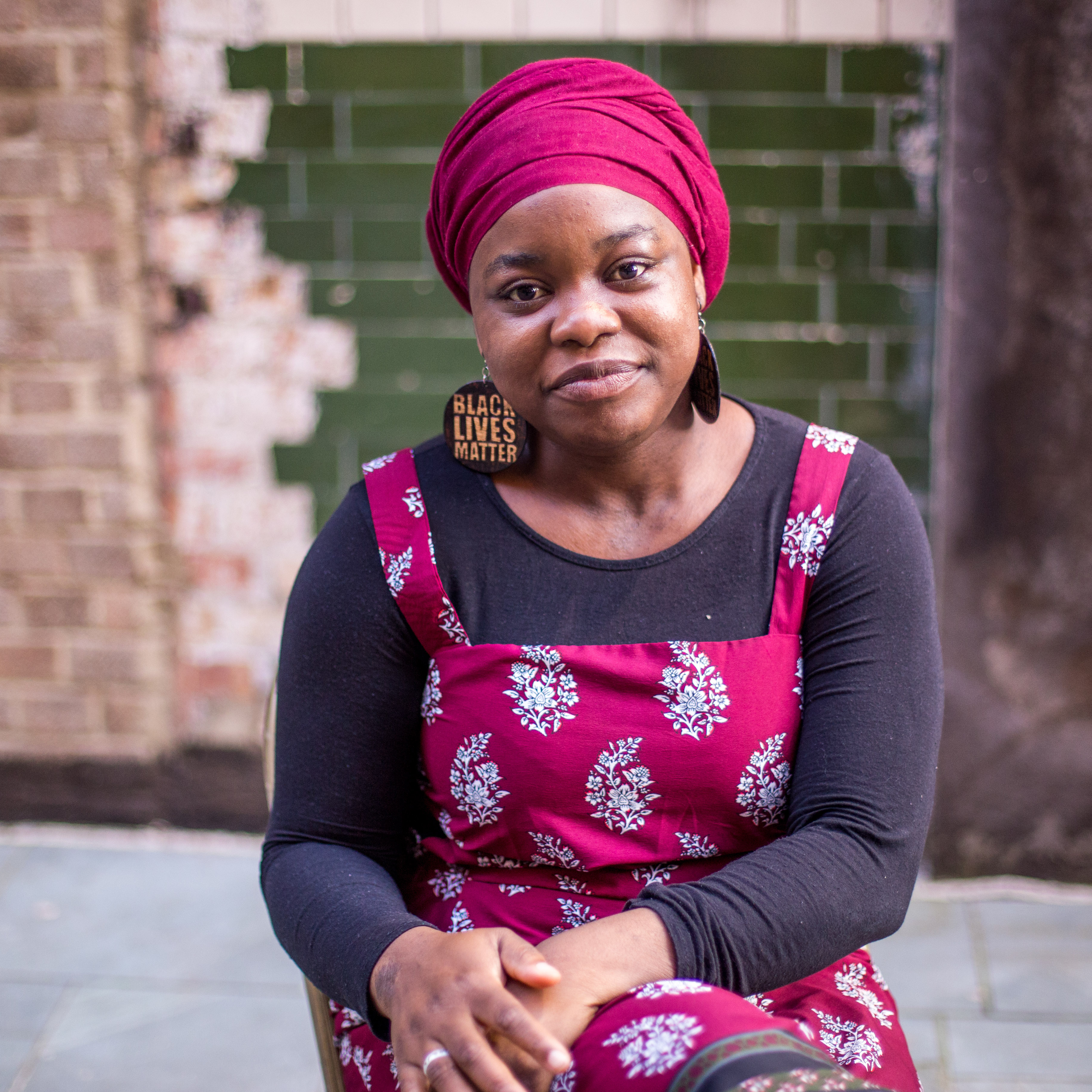
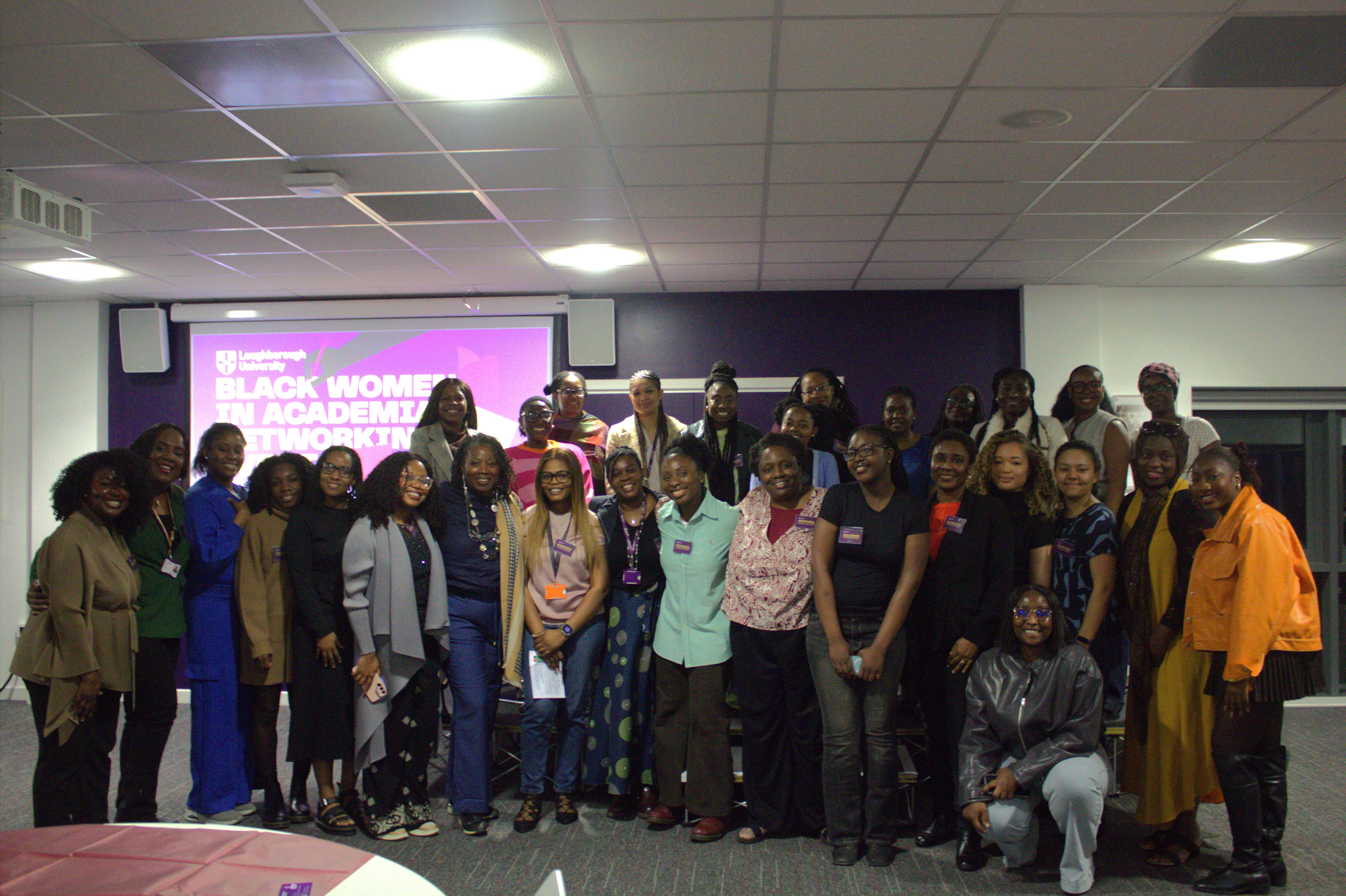
One annual event is the RGS-IBG pre-conference workshop in late August/early September, which was renamed in honour of Dr Azeezat Johnson. Past themes have included:
- Race in the Curriculum/Challenging Exclusionary Spaces (2016) RGS-IBG London
- ‘Beyond the talk’ – Decolonising Teaching and Research in Geography (2017) King’s College London
- Stories of Butetown: Linking Spaces (2018) University of Cardiff
- Resources For Black-Focused Research In The UK (2019) Black Cultural Archives London
- (Post)COVID-19 Online Learning Opportunities & Dangers for Black Students & Staff (2020) online
- Creating real opportunities for Black futures in Geography/Problem discussion for undergraduate and postgraduate students (2021) online
- Geographies Beyond Recovery (2022) online
- Black Feminist and Muslim Geographies/Celebrating Dr Azeezat Johnson’s Legacy (2023/2024) at QMUL with GEM
- Beyond the leaky pipeline: student experiences, careers and community activism/Conversations and Networking/RACE Futures (2025)
Other RACE Workshop have included
- Decolonising Methodologies in Global Translation: Post graduate student Workshop (2024) University of Leicester
Geographies of creativity/creative geographies
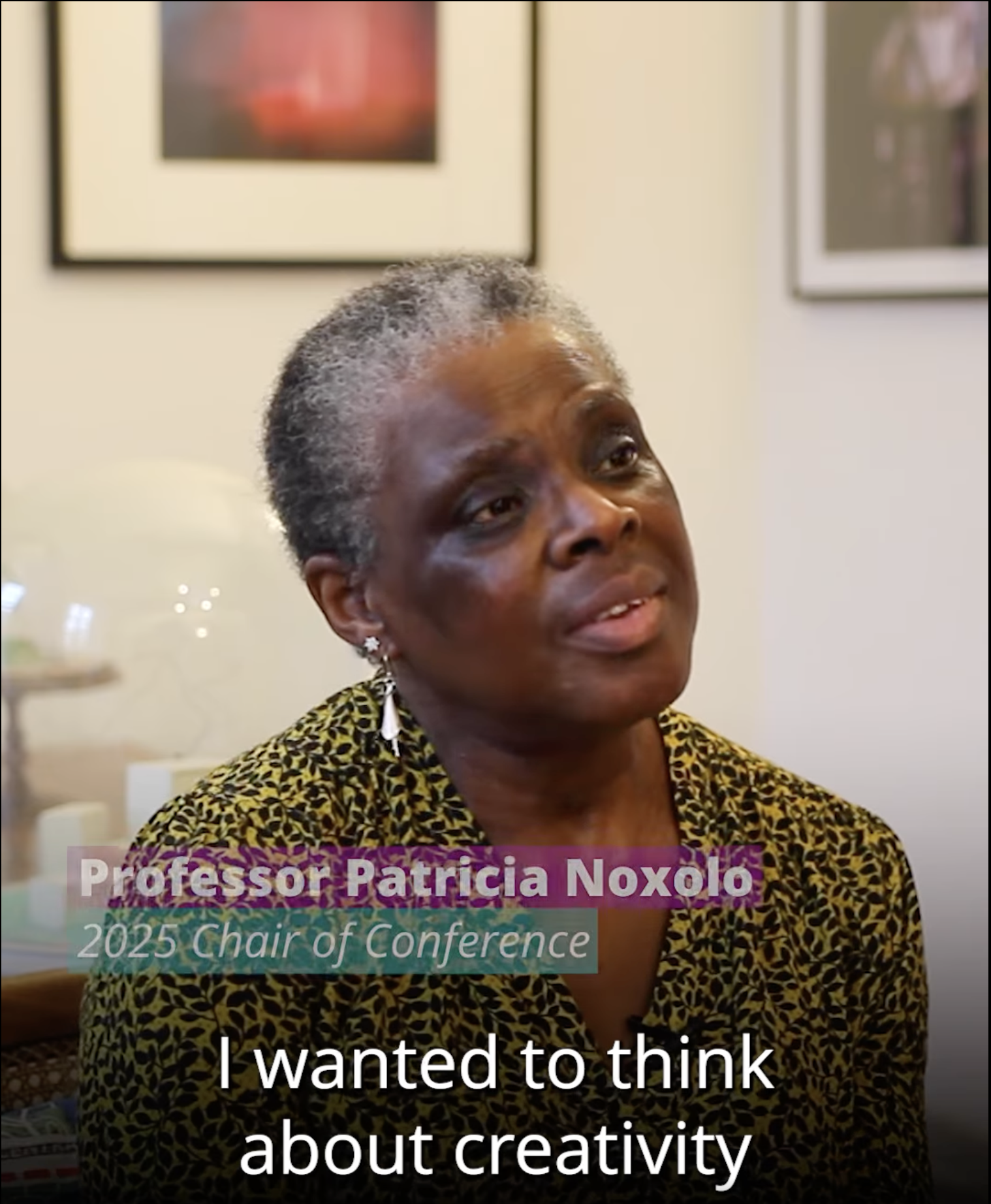
In 2025, Patricia Noxolo is chairing the RGS-IBG Annual Conference in Birmingham, UK. The theme for the conference is Geographies of creativivity/creative geographies:
“Whether it’s the capacity to create new places out of old, or new spatial relations where none existed before, or to create beautiful things – artworks, writing, architecture, music, dance – in places and across spaces, creativity seems almost too fundamental to focus on.
But what are the spatialities of creativity?
The geographies of creative practice – how artwork sustains globalised flows of money for example, or how music reshapes buildings and bodies, or how creative writing nurtures geopolitics – are sometimes hard to theorise and bear witness to.
Yet creative practice is crucial both to physical processes and to human experiences: we need to understand it.
More fundamentally, if there sometimes seems to be too little creativity in our habitually over-consuming world, how do geographers become more creative? Is 21st-century geography a truly creative discipline?
At a time when our world really needs a creative vision, to deal with new challenges in new ways, this conference theme asks for nothing less than a creative re-visioning of our discipline.”
We will be posting more about the events surrounding the conference, soon.
Examples of other events
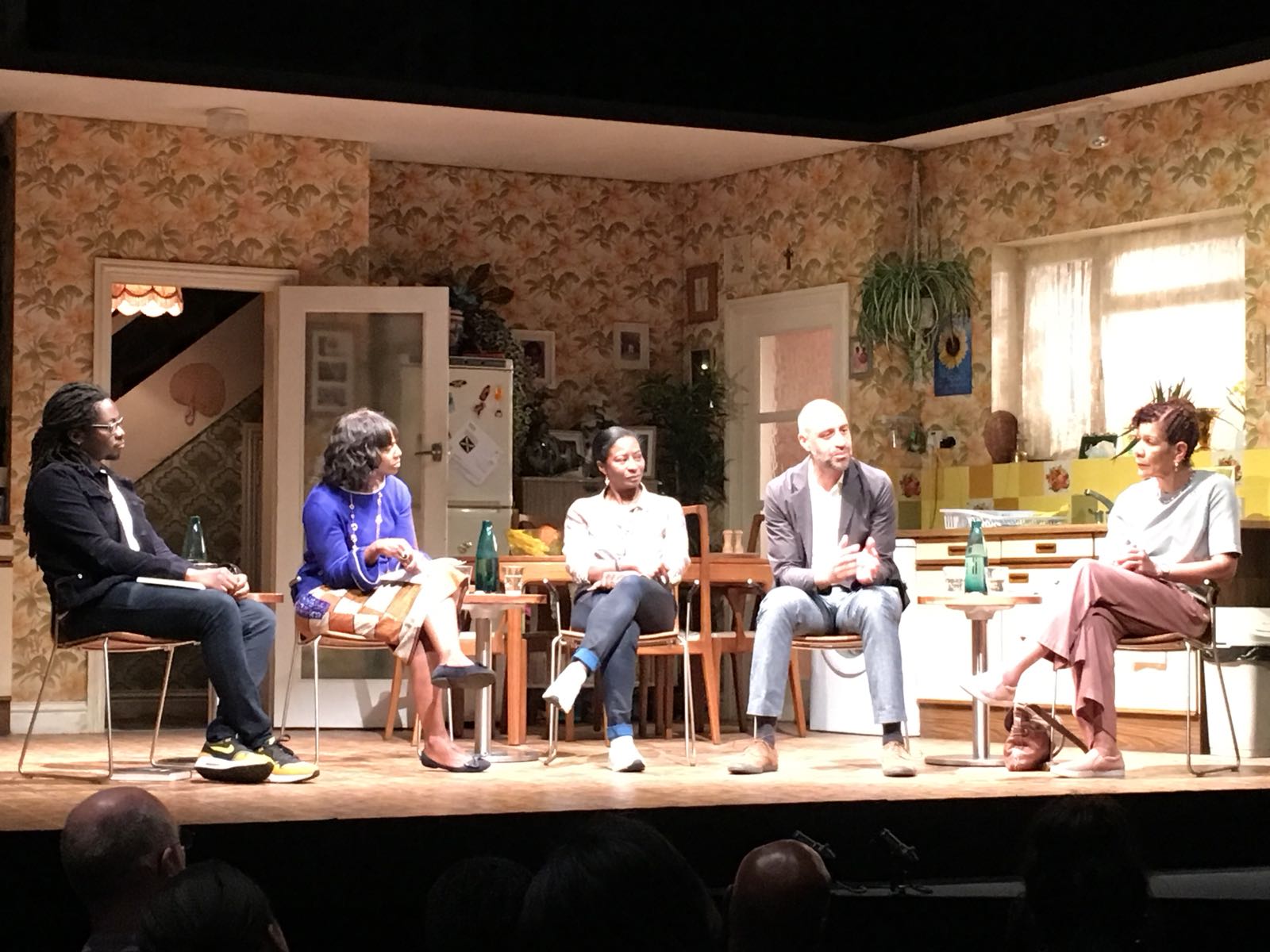
Dr Margaret Byron speaking at the National Theatre’s “Culture After Windrush” debate

 Race, Culture and Equality Working Group